06-10-2026
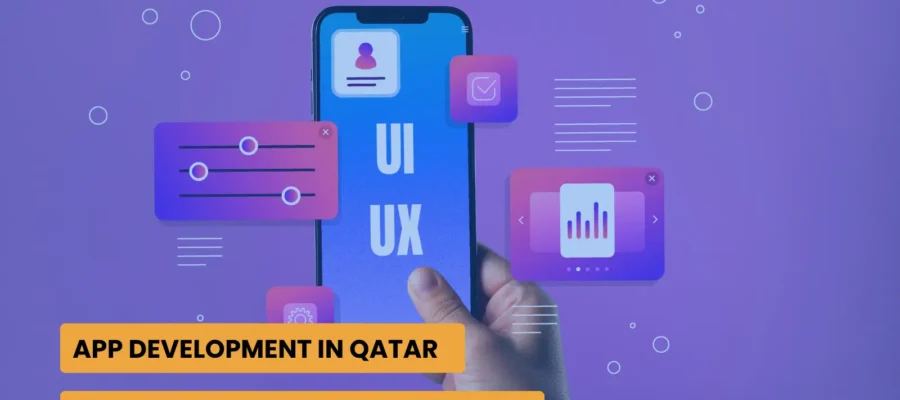
App Development in Qatar: 7 Benefits That Actually Pay Off
Thursday evening in Al Wakrah, and a customer’s drinking water has run out. One supplier has an app, so it’s two taps and done. The other only takes orders on WhatsApp. Last time, their reply took twenty minutes.
She hasn’t messaged them since.
That’s really what app development in Qatar comes down to for most businesses. Not the launch, not the logo on the App Store, but how easy it is for an existing customer to come back and buy again. When that’s easy, people stay. When it isn’t, they drift to whoever made it easier, usually without ever telling you why.
So what’s in this guide? Seven benefits we’ve seen pay off for businesses here. Who gains the most. And the signs your budget should probably go somewhere else first.
Why App Development in Qatar Makes Sense Right Now
Qatar is about as mobile-ready as a market gets. Look at DataReportal’s Digital 2026 numbers. Internet use: 99 percent. Active mobile connections: 4.75 million, in a country of about 3.13 million people. Yes, more connections than people, mostly because so many residents carry a work SIM and a personal one. The networks are fast too, with Ookla data in the same report showing median mobile download speeds above 500 Mbps by the end of 2025.
Government has been heading the same way. MCIT, the Ministry of Communications and Information Technology, launched its Digital Agenda 2030 back in February 2024. Six pillars. Digital government is one, the digital economy another. Residents already renew their residence permits and pay traffic fines through Metrash in a few minutes, and their expectations of every other business have shifted with it. So a clinic still confirming appointments by voice note? It feels slow. Even if the doctors are brilliant.
Does every business need an app, then? No. But your customers already live on their phones. Make things easy there and you’re ahead.
1. Repeat Orders Take Seconds Instead of a Conversation
The biggest benefit of an app is also the least glamorous one. You save the address once. The card once. After that it’s a reorder button.
That matters more in Qatar than you’d think. An address here means a zone, a street, a building number, plus a note about which gate the driver should use. Nobody wants to type that again. Or explain it again on a call. That little bit of hassle is exactly what sends people to a competitor.
Laundries feel it. So do water and grocery delivery, pharmacies, and any restaurant with regulars.
2. Push Notifications Reach People Your Social Posts Don’t
Organic reach on Instagram and Facebook keeps dropping. Boosting every post? That gets expensive fast.
A push notification doesn’t have that problem. It lands on the lock screen of someone who already installed your app. You own that channel.
Just don’t abuse it. People are happy to get:
- a reminder the night before their appointment
- a heads-up that the iftar menu is open for Ramadan bookings
- “your driver is ten minutes away”
Promo messages every day, though? That’s how apps get deleted.
3. Arabic That Doesn’t Look Translated
Qatar runs in two languages. And Arabic is where plenty of apps let themselves down.
Getting it right takes more than translation. Layouts have to flip right-to-left properly. Icons too; a back arrow pointing the wrong way is a dead giveaway. Arabic fonts need to stay readable when they’re small. Dates and numbers should look the way people expect.
Bolt Arabic on after the English version is finished, and these are the bits that slip. Arabic-speaking customers notice in seconds. Much easier to design both languages in from day one.
4. You Own Your Customer Data
Selling through a delivery aggregator? They keep most of what you could learn about your customers. In your own app, it stays with you. Who your best customers are. What they buy together. What time they order. When they start drifting away.
Owning that data also comes with responsibility. There’s a law for this in Qatar: the Personal Data Privacy Protection Law (Law No. 13 of 2016). In plain terms? Ask for consent. Have a privacy policy people can find. Keep the data safe. Build that in at the start. Adding consent screens after launch is a headache.
5. Fewer Repeat Questions for Your Team
Lots of customer service in Qatar still runs on phone calls and WhatsApp. And honestly, it’s mostly the same few questions, all day. Where is my order? Is my appointment still confirmed? Are you open during Eid?
An app can answer those on its own. Tracking, booking status, a basic help page. Your team gets that time back. They can spend it on the chats that need a human.
6. Book and Pay Without the Back-and-Forth
Think about how a lot of bookings still work. You call to agree a time. A payment link comes separately. Then a confirmation turns up on WhatsApp. Or it doesn’t.
Every one of those handovers loses people. Put it all in one flow (pick a slot, pay, done) and far fewer drop off. Clinics notice this most. Salons, car washes and training centres too, because an empty slot today can’t be sold tomorrow.
7. A Spot on the Home Screen
This is the hardest benefit to measure. People visit a website when they remember it. Your app icon? It sits next to Talabat and their banking app. They see it every time they unlock the phone. In food, fashion or electronics there’s always another option, so being in sight helps.
Who Actually Benefits From an App
Simple rule: the more often people buy from you, the more an app is worth.
Good fits:
- restaurants and cloud kitchens
- water and grocery delivery
- clinics and pharmacies
- salons and laundries
- car services and gyms
- retail brands with a loyalty programme
What they share is customers who come back every week or month.
Now flip it. A furniture showroom might see a customer once in five years. Same for a wedding venue or an industrial supplier. Nobody keeps an app for that. B2B services work the same way. Buyers there research on a laptop, scroll LinkedIn, or ask someone they trust. Sound like you? Spend on the website first. Make it fast. Make it bilingual. Then work on search and a focused lead campaign.
When an App Is the Wrong Move
There are three times an app is usually the wrong first step. When customers rarely buy from you. When your website isn’t converting the visitors it already gets. Or when the build eats the whole budget, and nothing’s left to promote it. In each case you end up paying to maintain something very few people use.
Before signing a development contract, it’s worth checking for these warning signs:
- Your website is slow on mobile or doesn’t have an Arabic version
- Most of your customers buy from you once or twice
- The main reason for the app is that a competitor has one
- Nobody is responsible for the app after launch, including reviews, updates and notifications
- Nothing has been planned beyond “publish to the App Store”
Two or more sound familiar? Fix the website first, or try a progressive web app. Come back to the app once that’s sorted.
The Part Nobody Budgets For
An app nobody installs does none of the above. And this is where most app budgets run dry. Design and development take nearly all the money. Store listings get the leftovers. So does the launch campaign. So does any plan to bring people back a second time.
Installs in Qatar come from being where people already scroll. Instagram, Snapchat, TikTok. Show someone booking a car wash in three taps, fifteen seconds, done. That beats a shiny “Download now” banner. Offline works too:
- QR codes on receipts and at the counter
- a small first-order incentive
- staff who actually mention the app at the till
And watch the right number. Downloads feel good. What tells you it’s working is how many people come back in the weeks after.
So get the developer and the marketer talking early. One builds the app. The other works out how people find it and keep using it. For that second job, you want a marketing agency in Doha, Qatar that knows how people here behave. Agree the plan before anyone designs a single screen.
Blogs
Performance Marketing Qatar: Why Google Ads Localization Fails
What is Cloaking in SEO?
10 Critical Signs Your WordPress Site Is Hacked in 2026 (And What to Do About It)
Zero-Click Search: Strategies for Getting Visibility When Clicks Are Declining