13-06-2026
How to Turn Social Media Presence Into Business Opportunities
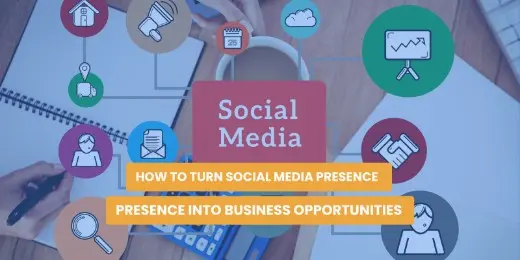
How to Turn Social Media Presence Into Business Opportunities
There’s a version of social media success that looks great on paper and produces almost nothing in return. High follower counts, decent engagement, a feed that looks polished, and yet the phone isn’t ringing any more than it was before. A lot of businesses in Qatar are living in that gap right now, present on the platforms, active enough to say they’re doing something, but not really extracting anything from it commercially.
The question worth asking isn’t “are we on social media.” It’s “is our social media presence actually working for the business.”
Those are two completely different questions, and the answer to the first one tells you almost nothing about the second.
Presence Is Not the Same as Position
Qatar’s digital landscape has shifted significantly over the past few years. <Social media penetration in Qatar currently stands at 96%>, which means virtually every potential customer a business wants to reach is already on these platforms. Instagram and TikTok drive consumer engagement. LinkedIn dominates B2B conversations. Snapchat retains a strong hold among younger Qatari demographics. The audience is there. That part has already been solved.
What hasn’t been solved, for most businesses, is the conversion layer. Getting someone to follow an account is genuinely easy compared to what comes next: getting them to trust the brand enough to enquire, to choose this business over the five others they also follow, and eventually to pay for something.
That gap between presence and position is where most social media marketing in Qatar breaks down. Businesses invest in content production without a clear answer to what the content is supposed to do beyond exist. Posts go out, engagement trickles in, and nothing connects to a business outcome because nothing was designed to.
The fix isn’t more content. It’s a clearer understanding of what each piece of content is doing in the sales journey.
What Actually Converts on Social Media in Qatar
The content types that generate genuine business opportunities share a few things in common. They build trust through specificity rather than claiming it through adjectives. They make the audience feel understood rather than marketed to. And they create a reason to take a next step, even a small one, rather than just consuming and scrolling on.
In practical terms for the Qatar market, this looks different depending on the platform and the type of business. For a B2B service business targeting Doha’s professional community, LinkedIn content that addresses real operational problems, without pitching anything, tends to build the kind of credibility that generates inbound enquiries over time. The content doesn’t need to be aggressive. It needs to demonstrate that the people behind the brand understand the landscape their potential clients are operating in.
For consumer businesses, Instagram and TikTok reward content that shows rather than tells. A restaurant posting aesthetic food photos is doing something, but a restaurant that shows the team preparing a dish, explains what goes into it, and occasionally pulls back the curtain on the decisions that go into the menu is building a connection that a styled food shot never quite achieves. That connection is what turns a follower into someone who actually books a table and recommends the place to three people.
The underlying logic is the same across both: social media creates business opportunities when it makes people feel something about the brand, not just aware of it.
The Platforms That Matter in Qatar, and Why
Not all platforms work the same way for the same businesses, and one of the more common mistakes in social media marketing in Qatar is treating them as interchangeable distribution channels. They’re not.
Instagram remains the primary platform for brand building across most consumer categories. The visual format rewards businesses with strong creative direction, and the Stories and Reels features give brands the chance to show up in a less curated, more immediate way that builds familiarity over time. For businesses in hospitality, retail, beauty, food, and lifestyle, Instagram is typically where the biggest commercial return on social effort sits.
LinkedIn is where professional service businesses in Qatar consistently underinvest. The platform has a smaller active user base than Instagram in absolute numbers, but the audience quality for B2B purposes is disproportionately high. A single piece of content that resonates with the right procurement manager, operations director, or business owner in Doha can open a conversation that an Instagram post never would.
TikTok and Snapchat are more audience-specific. TikTok’s algorithm is genuinely powerful for reach, and businesses that can produce short-form video content consistently have access to growth that the older platforms no longer offer as readily. Snapchat’s relevance is concentrated among younger Qatari users, which makes it highly relevant for some categories and almost irrelevant for others.
The discipline is matching the platform to the audience and the business goal rather than being everywhere at once and doing none of it particularly well.
From Attention to Opportunity: The Mechanics
Social media attention that doesn’t flow anywhere is ultimately just attention. Converting it into business opportunities requires a few things to be working at the same time.
The first is a clear call to action that fits naturally into the content rather than sitting awkwardly at the end of every post like a legal disclaimer. For service businesses in Qatar, this usually means one consistent entry point: a WhatsApp number, a link to a contact form, a DM invitation. Giving people one obvious next step works considerably better than giving them options that create a decision they’d rather not make.
The second is response speed. Social media in Qatar operates in a fast communication environment. Someone who sends a DM enquiry on Instagram at 9pm and receives a reply at 10am the next morning will often have already made a decision about something else by then. The businesses that convert social media attention into actual clients tend to be the ones treating their DMs and comments as a live communication channel, not a secondary inbox.
The third is consistency over time rather than intensity in bursts. Most businesses that try social media seriously for three months and then pull back are measuring the wrong thing. The compound effect of showing up reliably, building a content library, and being findable when someone is ready to buy takes longer than three months to materialise but is significantly more durable when it does.
Why Digital Marketing Services in Qatar Matter More Now
Qatar’s business environment is more competitive than it was three years ago. Post-World Cup investment brought new businesses into almost every category, and the market has normalised at a higher level of digital expectation. Customers compare options before they contact anyone. They check Instagram before they check a website. They look at how recently a business posted before they decide whether the business is worth enquiring to.
This is the context in which digital marketing services in Qatar have become less of an optional add-on and more of a baseline requirement for businesses that want to remain competitive. It’s not that traditional referral and word-of-mouth business has stopped working. It’s that social media presence is now part of what validates a business in the eyes of a potential customer who was referred to it. The referral opens the door. The Instagram page determines whether they walk through it.
What this means practically is that the businesses getting the most out of social media marketing in Qatar aren’t necessarily the ones spending the most. They’re the ones with a clear content strategy tied to actual business goals, the right platform focus for their audience, and a team or agency behind them that understands how the Qatar market specifically behaves, what resonates culturally, which formats are gaining traction right now, and where the common mistakes are being made.
Turning What You Have Into What You Want
Most businesses in Qatar already have the raw material for effective social media marketing. They have expertise, a track record, client relationships, and a story worth telling. What’s often missing is the translation layer: the people and process that take what the business knows and does, and turn it into content that a potential customer encounters at the right moment and responds to.
That’s not a creative problem. It’s a strategic one.
Bragyst works with businesses across Qatar on exactly this, building social media strategies that connect to commercial outcomes rather than just accumulating metrics. Whether the goal is generating leads, building authority in a specific market, or making better use of digital marketing services in Qatar that are already being paid for, the starting point is always the same: understanding what the business actually needs the platforms to do, and then working backwards from there.
If your social media presence is active but not producing the results it should, that’s a conversation worth having.
Blogs
App Development in Qatar: 7 Benefits That Actually Pay Off
Performance Marketing Qatar: Why Google Ads Localization Fails
What is Cloaking in SEO?
10 Critical Signs Your WordPress Site Is Hacked in 2026 (And What to Do About It)